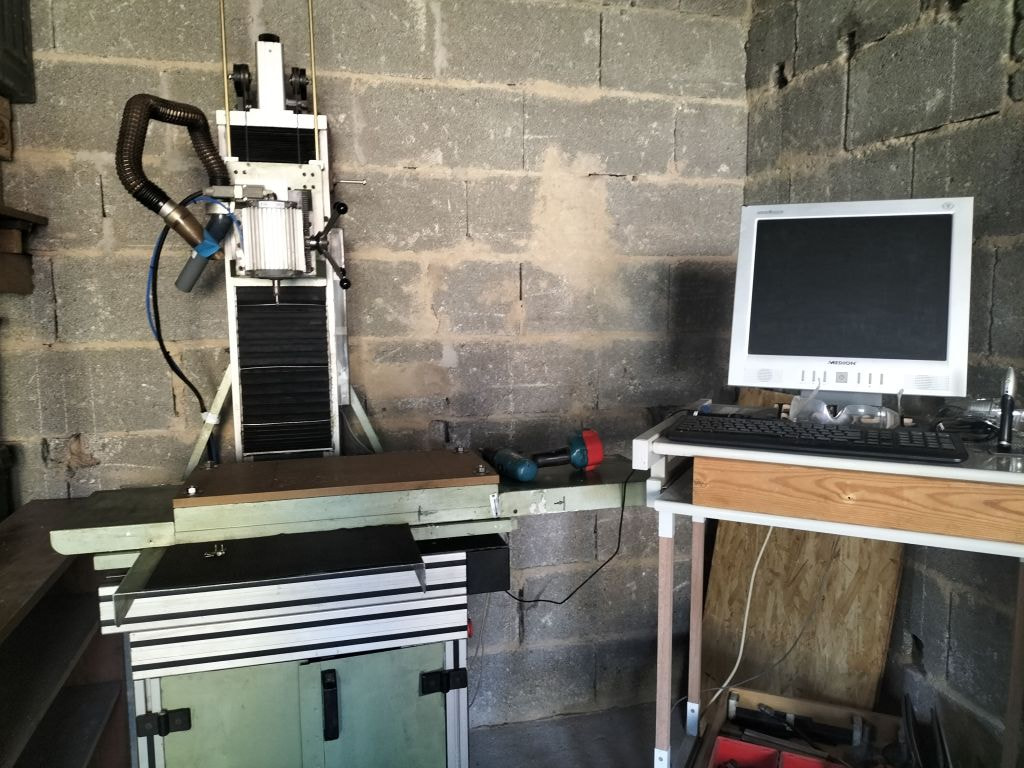
The Reef's workshop: some thoughts

The plans for The Reef include a workshop space in our basement. I recently visited my friend (and early inspirer of my thoughts on cohousing) @matthias , and he was kind enough to show me around his own workshop and share some further thoughts.

First off, Matt claims that the workshop is likely to be The Reef’s greenest move. You can repair a lot, reducing material consumption and saving plenty of money. It is true that he and his brother @daniel are exceptionally handy, and have the metaskills to teach themselves basically anything. On the other hand, there’s more of us than there’s of them, so hopefully we can compensate a bit! He recommends collecting and storing the leftovers for the construction sites - for example lengths of pipes that the builders ended up not needing – because they are the same type used in construction and can be used for repairs.

His advice for the workshop:

  • The space we allocated (20 m2 gross) is adequate, more or less the size of their own.
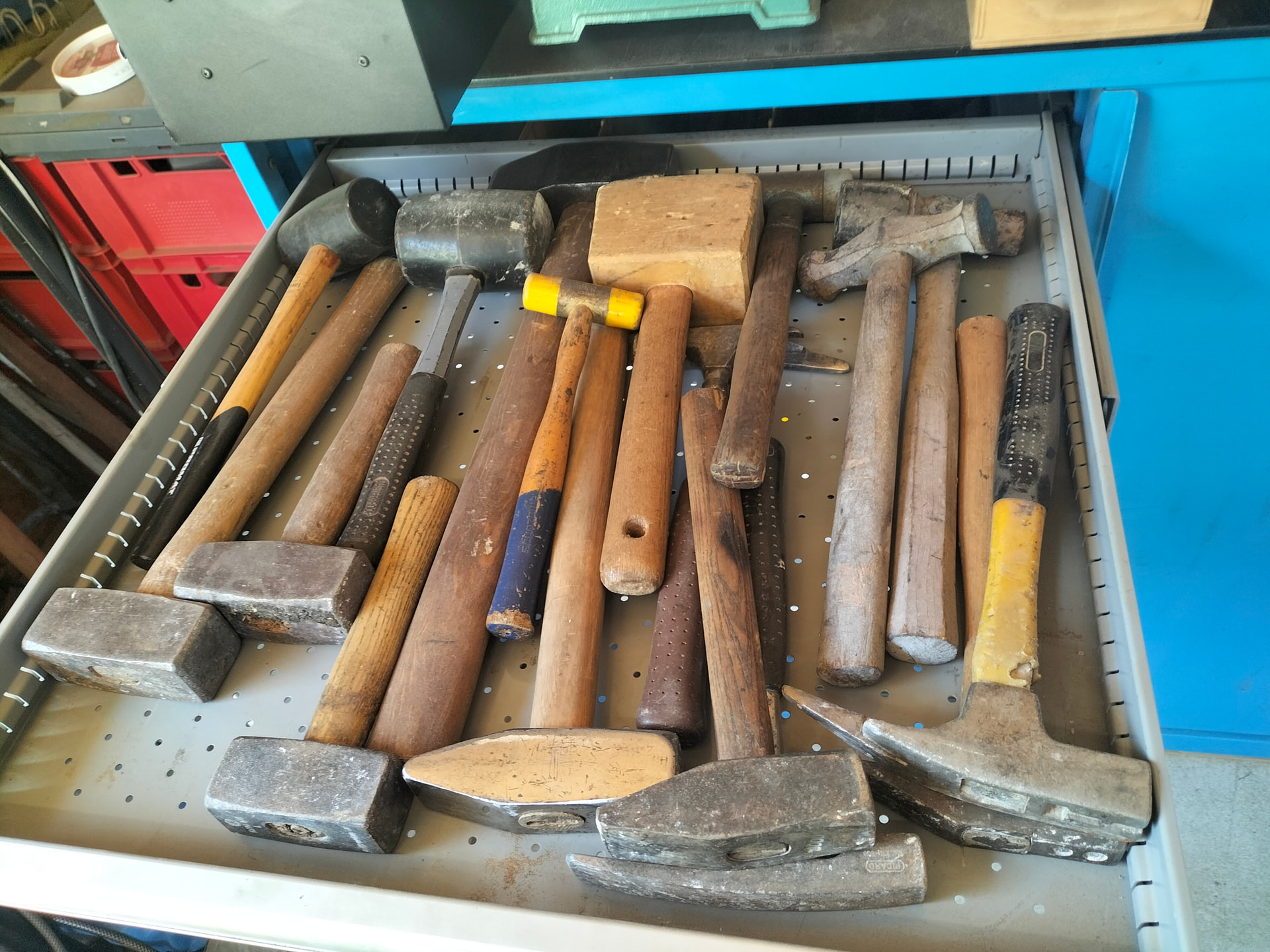
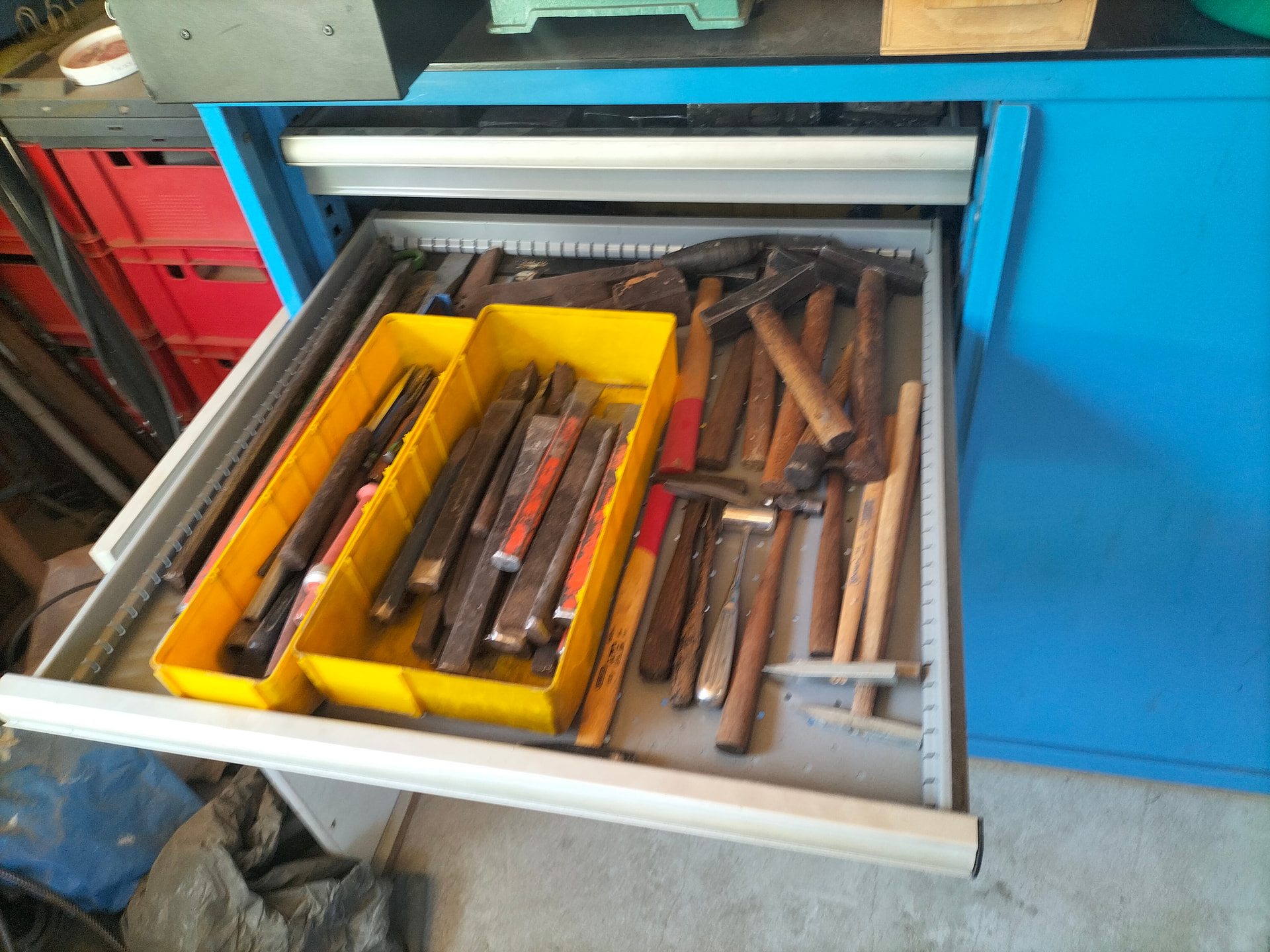
  • A workshop can present as a heap of junk, The secret is to organize it. Matt buys second-hand cabinet used in architects’ studios for drawing, with wide but shallow drawers, and then uses this draw to sort tools by type: all the hammers here, all the files there etc.
  • He also is not afraid of redundancy. For example, he has two entire drawers filled with just hammers ("you never know when you need exactly that hammer)
  • There is even a CNC machine!

Procuring this stuff is cheap. He spends time on various sites where he can find second-hand stuff – people throw a lot of it away, or sell it in bulk for really cheap. Of course, we will start our workshop by pooling the toolkits of 20 households, so in a way we will jumpstart the process!

I will leave it to Matt and Daniel themselves to weigh in if I misunderstood something (quite likely) or they want to add their own thoughts.

4 Likes

Thank you for the nice intro to the workshop in the house over here, Alberto. I’ll just add some “inspirational” observations about workshops that I made over time:

First, you can’t do anything wrong when setting up workshop. With a bathroom for example, one can easily make mistakes, one might even get the whole layout wrong. But a workshop is much more forgiving with regards to aesthetics, and its furniture is often modular, so everything is easier and faster to change. As a bonus, it comes with all the tools inside to change it.

Then, even though they all share the same room designation “workshop”, no two workshops are the same. They all have different roles to fill and tasks to fulfill, and thus all contain different stuff inside. Every workshop is its own little system, so ultimately everyone creating a workshop will need some ideas and creativity to “make it work” in the respective context. It takes some time and tries and errors, but that’s just how it is.

A workshop is also versatile – when it is available, everyone will find a use for it. Together with the big common room, it will be the room with the highest number of purposes. Like Alberto said, it can be used to repair stuff (reducing consumption and saving money). It can also be used to modify items you have to fit your needs better – sometimes, the first thing I do after purchasing something is to mod it. And it can be used to create objects that cannot be purchased off the shelf – say, custom made-to-fit furniture for compact living spaces. Also after some years of use, living spaces deserve renovations or remodeling, and the workshop will help with that. Oh, and a workshop can easily double as an artist’s space as well. And finally, a workshop can be used for in-house recycling. (The kids here in the house learned that quickly. Instead of trashing something, they bring it to me: “Matt, you said the workshop can use everything … can it use this?” If there’s anything reusable, within reason, I will extract it, esp. any larger half-finished products like sheet, bar and tube pieces made of wood, metal, plastics or glass.)

Often, all of these uses of a workshop blend into each other, kintsugi style.

Happy to also discuss design considerations for the Reef’s workshop if relevant. As for how to make and keep your workshop a functional and tidy common space, I have a hunch based on my own experience of building out a workshop: it needs somebody (or a small team) with a love for space organization and for tools. If the community provides them with a moderate budget to spend freely on improving the workshop (tools, consumables, storage), it will already make the work of these people feel rewarding.

3 Likes

Thanks so much Matt, this is already valuable advice. I think a “team workshop” will assemble itself in The Reef. My money is on @ChrisM, @els and @TamaraFoubert, but I am sure there are more closet bricoleurs in the group.

3 Likes