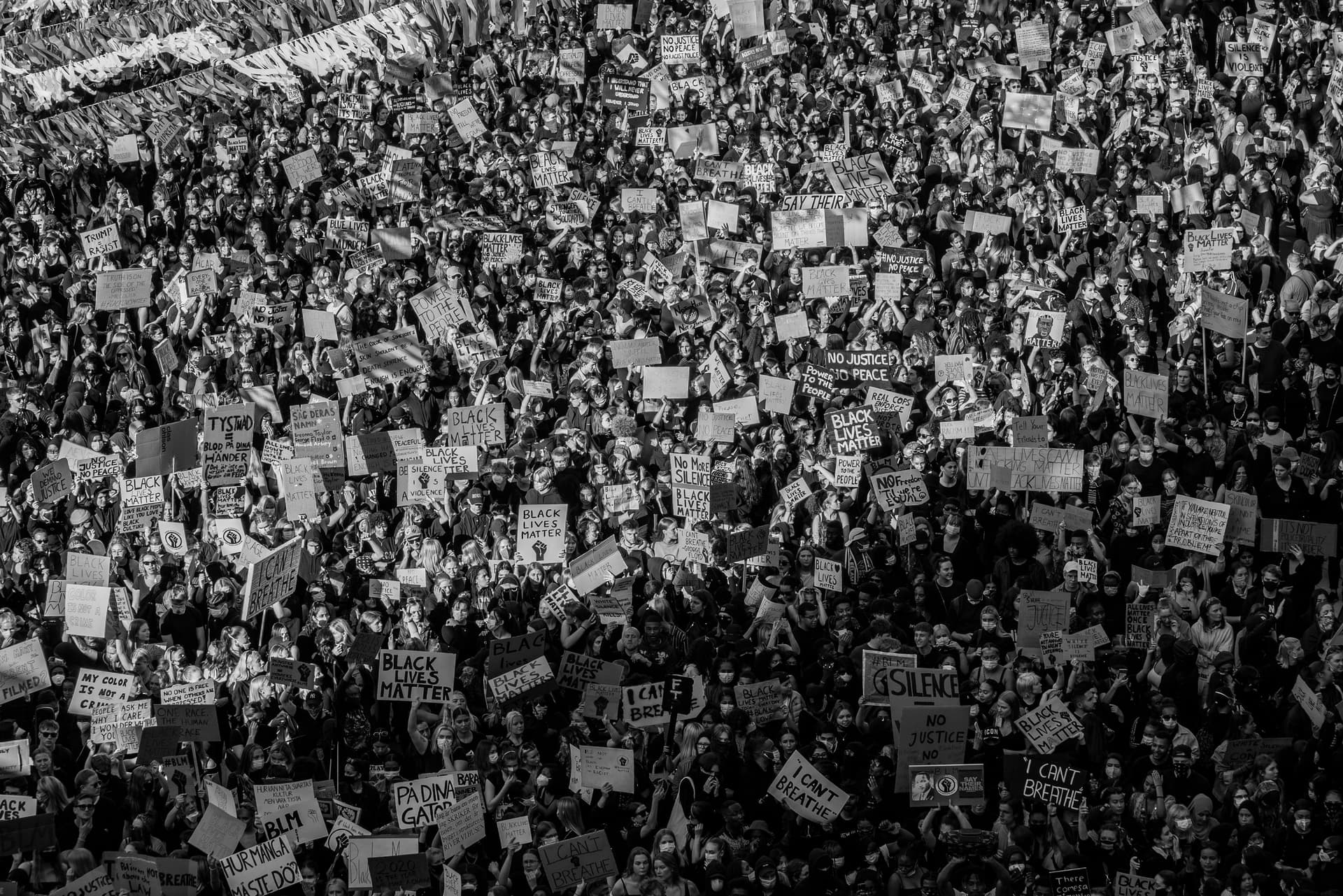
Tell us about a moment during when you felt furious about something political. What was happening? What did you do with that feeling?
Duis aute irure dolor in reprehenderit in voluptate velit esse cillum dolore eu fugiat nulla pariatur. Excepteur sint occaecat cupidatat non proident, sunt in culpa qui officia deserunt mollit anim id est laborum.
Test
dsadssad sands s
dsadssad sands sodas
sdsasdsads
ddsfddf s fsdsdfsfdd f
Lorem ipsum dolor sit amet, consectetur adipiscing elit, sed do eiusmod tempor incididunt ut labore et dolore magna aliqua. Ut enim ad minim veniam, quis nostrud exercitation ullamco laboris nisi ut aliquip ex ea commodo consequat. Duis aute irure dolor in reprehenderit in voluptate velit esse cillum dolore eu fugiat nulla pariatur. Excepteur sint occaecat cupidatat non proident, sunt in culpa qui officia deserunt mollit anim id est laborum.
Test
Transcription:
Face reminds me of his poor mother in the shady wood, the deep white breast, Ferguson, I think, they caught. Best thing could ever happen to him. Swear that I will always hail, ever conceal, never reveal any parts of parts, parts or arts, he murmurs. In the rough sands of the sea, the cable toes length from the shore where the tide ebbs and flows. Silent, thoughtful, alert, he stands on guard, his fingers at his lips in the attitude of a secret master. Against the dark wall, a figure appears solely a fairy boy of 11, a changeling kidnapped, dressed in an eaten suit with glass shoes, a little bronze helmet, holding a book in his hand. He reads from right to left, inaudibly, smiling, kissing the page. Bloom, wonderstruck, calls inaudibly, Rudy. Rudy gazes, unseeing into Bloom’s eyes, and goes on reading, kissing, smiling. He has a delicate mauve face. On his suit, he has a diamond and ruby buttons. In In his free left hand, he holds a slim ivory cane with a violet bow knot. A white lamkin peeps out of his waist poof waistcoat pocket.
Transcription:
Now I’m recording. Gonna record a longer message to I’ve got a text here from, Alice in Wonderland. So I’ll just read this Down, down, down. The fall never come to an end. I wonder how many miles I’ve fallen by this time, she said aloud. I must be getting somewhere in the center of the Earth. Let me see. That would be 4,000 miles down, I think. So that would be enough. We can
Transcription:
Hello. So this is, a test from the mobile interface, and, I’m gonna make it a five minute long message just to see if transcription works correctly. And I’ll read it at different speeds, and with some pauses just to check that, the transcription works with, like, different tempos of speech. So here’s, a little article on climate migration. As the climate crisis gets worse, millions of people are being displaced, forced to leave their homes due to environmental problems. These people often called climate migrants or climate refugees face serious challenges. Climate change is causing many areas to become less safe or less able to support life. Some people abandon their homes because of sudden disasters like foods, like floods, hurricanes, or wildfires. Others must move because of slower changes like rising sea levels, which threaten the entire islands and coastal cities, or because droughts make it hard to grow food. For example, low lying countries like Kiribati and Tuvalu in the Pacific Ocean are at risk of disappearing under the sea, While coastal communities in countries like Bangladesh and The United States are also experiencing flooding that makes life difficult. In agricultural areas, especially in places like Sub Saharan Africa, extreme droughts are reducing the amount of food that can be grown, forcing people to move to more livable areas. These types of migrations will likely increase as climate change continues to affect the world. One of the biggest problems for climate migrants is that they do not have legal status, under international law. Current laws such as the 1951 refugee convention protect people who are fleeing their countries due to war, persecution, or violence. However, these laws do not include climate change as a result for seeking refugees. Therefore, climate migrants do not receive the same protections or access to help as refugees. Climate immigration on such a scale is quite a recent phenomenon. For this reason, many countries like clear policies for helping people displaced by natural disasters. In response to this growing crisis, governments and organizations are working to provide aid and support climate migrants. This includes emergency aid after disasters as well as efforts to help communities adapt to changing environmental conditions so that people can remain in their homes. Humanitarian groups like the Red Cross and the United Nations High Commissioner for Refugees are providing food, shelter, and medical care to people displaced by extreme weather events. These organizations play a key role in helping people recover after disasters, but long lasting solutions are needed as well. Some efforts focus on adaptation, which means helping communities prepare for the effects of climate change. For example, in areas where floods are likely to happen, building better flood defenses like strategic dams and stronger river banks can allow people to stay in their homes. In drought affected regions, introducing new types of crops that can survive with less water may help farmers continue to grow food. However, many countries lack the resources to implement these solutions on a large scale, so international support is needed. Another form of aid is resettlement programs, which allow climate migrants to move to other countries. However, these programs are often small and do not help enough people. As natural disasters continue to displace millions of people, there is an urgent need for new legal protections for climate migrants. While some countries like New Zealand have started small programs to offer visas to the victims of extreme weather events, these programs are rare and limited. There are ongoing discussions at the United Nations about creating new legal frameworks to protect protect climate, displaced people. But they’re taking a long time to move forward. At the same time, the world must work together to reduce the effects of climate change and help vulnerable communities adapt. So it’s, almost five minutes long and see how the transcription works and the upload.
Lorem ipsum dolor sit amet, consectetur adipiscing elit, sed do eiusmod tempor incididunt ut labore et dolore magna aliqua. Ut enim ad minim veniam, quis nostrud exercitation ullamco laboris nisi ut aliquip ex ea commodo consequat. Duis aute irure dolor in reprehenderit in voluptate velit esse cillum dolore eu fugiat nulla pariatur. Excepteur sint occaecat cupidatat non proident, sunt in culpa qui officia deserunt mollit anim id est laborum.